
Cameras on Mobile Surveillance Units: Two Important Questions
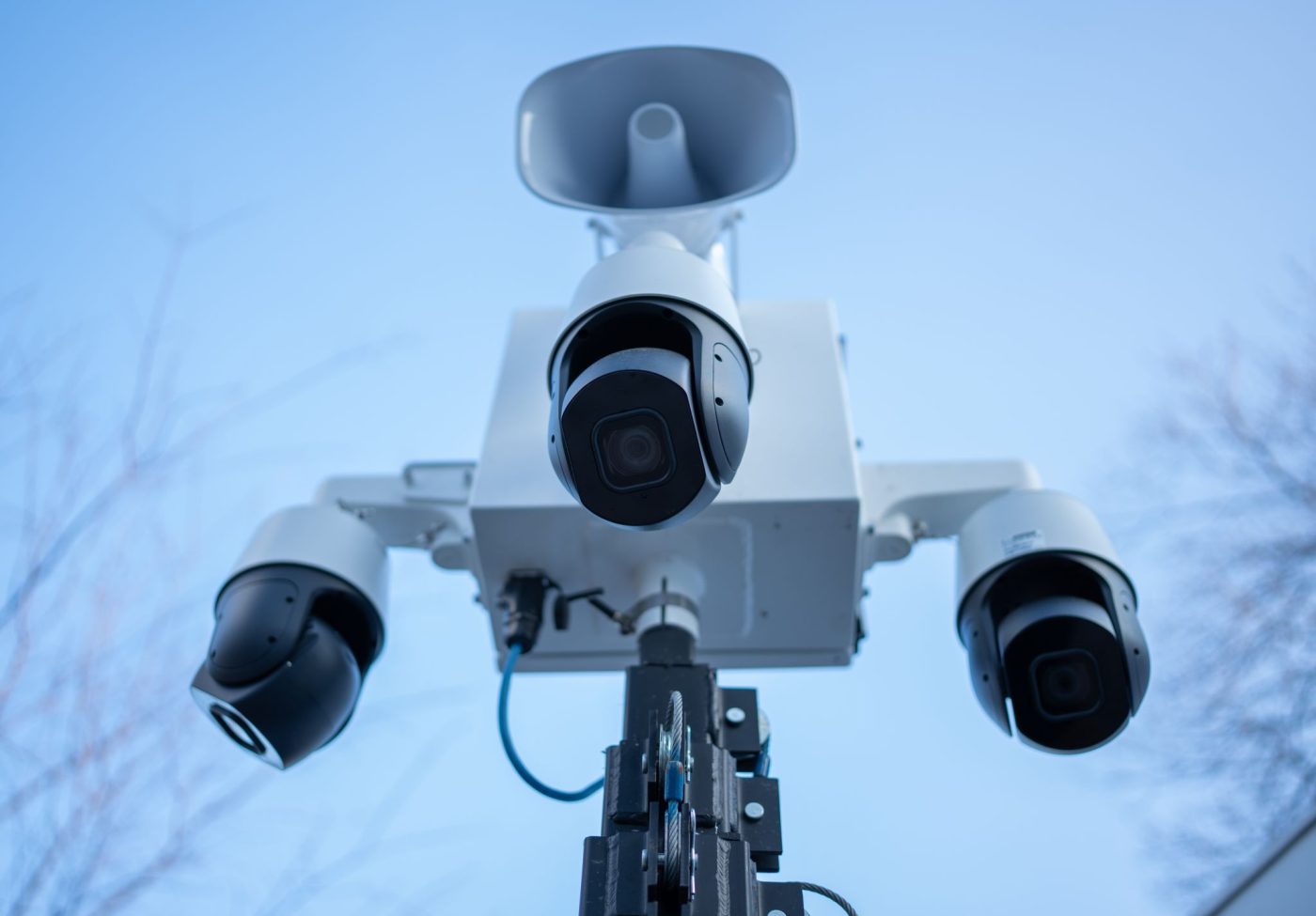
When conversations are had about cameras on Mobile Surveillance Units (MSU’s), there’s usually two questions brought up: How do they make people feel, and how many cameras are “enough?”
These questions come up most often when discussing sites like parking lots, retail centers, and other high-traffic environments where customer experience matters just as much as security coverage.
Do MSU’s Make Customers Uncomfortable?
One of the most common concerns around MSU’s in highly populated areas is whether it creates unease for honest customers. The assumption is that prominent cameras and elevated units might feel intrusive.
However, industry-wide feedback and shared experiences often point to the opposite feeling. In many retail and public-facing environments, customers gravitate toward areas near MSU’s. The added visibility provides a sense of security and reassurance, whether that’s avoiding unwanted interactions, protecting your vehicle from door dings, or simply feeling safer during early mornings, late evenings, or busy peak hours.
Rather than deterring foot traffic, well-placed MSU’s often contribute to a more comfortable and confident environment for customers and employees alike.
Is Quantity or Quality More Important For Cameras on MSU’s?
The next question brought up is typically: “Shouldn’t a Mobile Surveillance Unit have as many cameras as possible?”
In most cases, the short answer is no.
Effective surveillance isn’t about the quantity of cameras, it’s about deploying the right technology for how the space is actually used. Adding more fixed cameras doesn’t automatically translate to better coverage, and in some situations, it can even create unnecessary overlap in camera views, causing multiple cameras to trigger on the same event and flooding your monitoring team with redundant alerts, distracting them from real incidents, or blind spots.
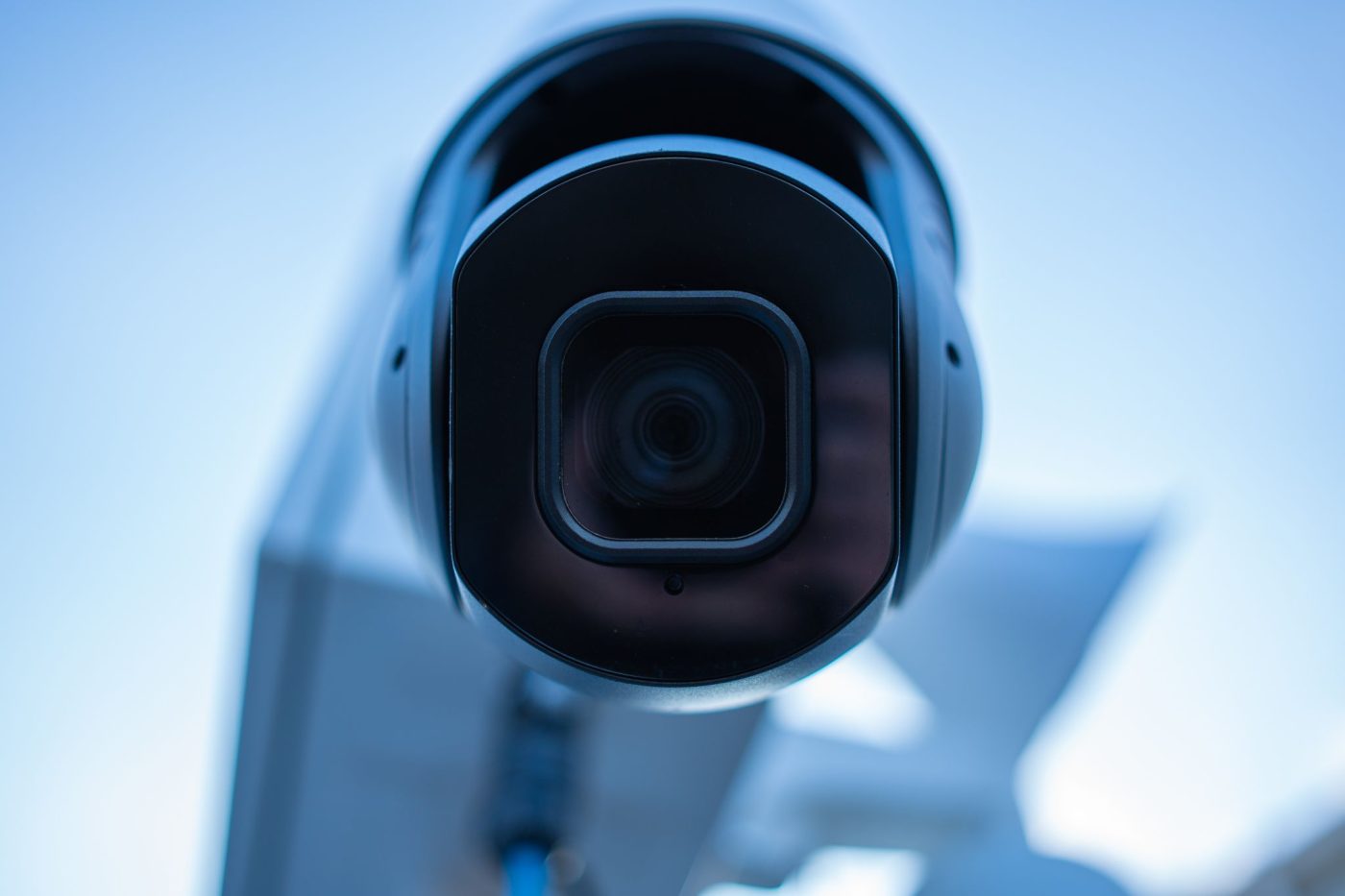
This is where PTZ (Pan-Tilt-Zoom) cameras play a critical role. A single, well-positioned PTZ camera can often do the work of several fixed cameras. With the ability to pan across wide areas, tilt to adjust angles, and zoom in on activity as it happens, PTZ cameras provide dynamic coverage that adapts in real time. Instead of passively recording limited views, they actively monitor movement and behavior across a site.
By leveraging smarter camera technology, MSU’s can deliver comprehensive coverage without overloading a unit with hardware that may sit idle or duplicate coverage.

Smarter Surveillance Improves the Entire Site
When mobile surveillance is strategically planned, the benefits extend beyond asset protection. The right camera configuration enhances safety, supports site operations, and positively influences how people experience the space.
Ultimately, the most effective MSU deployments aren’t defined by the number of cameras mounted on a unit, but by how well those cameras align with the site’s goals, layout, and daily activity.
The conversation is shifting from “how many cameras do we need?” to “how smart is the coverage we’re deploying?” And that shift is what leads to better outcomes for both security teams and the people on site.